



Why Rain and Puddles Trigger Sudden Loose Motion in Dogs

Sudden loose motion in dogs after a rainy walk is usually caused by the ingestion of surface bacteria, stagnant water runoff, or rapid humidity-driven shifts in gut microflora. When your dog laps up puddle water, drinks from damp garden soil, or licks their wet paws after walking through urban rainwater, they introduce opportunistic pathogens directly into their digestive tract.
This sudden microbial influx disrupts the delicate equilibrium of your dog's gut microbiome. High ambient humidity during the monsoon also accelerates bacterial growth on food left in bowls, while moist air alters intestinal transit times. The result is rapid-onset inflammation in the gut lining, leading to unabsorbed water, poor stool formation, and frequent loose stools.
Because over 70% of a dog's immune system lives in the gut, a monsoon stomach upset is more than a messy inconvenience—it is a temporary breakdown of your dog's primary internal defense barrier. Rebuilding that barrier requires targeted, functional nutrition rather than waiting for the digestive system to reset on its own.
The Monsoon Mindshift: Puddles, Paws, and Pathogens
Understanding why loose motion spikes during the monsoon helps pet parents take preventive action before a walk turns into an emergency trip to the balcony.
Stagnant Water and Urban Runoff
Rainwater running off urban Indian pavements, footpaths, and residential compounds collects street grime, sewage trace elements, and wild animal waste. Stagnant puddles act as breeding grounds for harmful bacteria. Even a brief, curious lick of standing water can deliver millions of foreign bacteria straight to your dog's stomach.
Paw Licking and Moisture Traps
Dogs clean themselves naturally after walks. Moisture trapped between toe pads holds onto mud, street water, and microbes. As your dog grooms their wet paws at home, they ingest those bacteria continuously over several hours.
Humidity and Food Spoilage
Monsoon air carries high relative humidity, causing open food bowls—whether kibble or home-prepared rice and meat—to collect moisture rapidly. Spoiled or fermenting food introduces secondary bacterial challenges that irritate the gastric lining and trigger gas, bloating, and watery stools.
How Probiotics, Prebiotics, and Enzymes Restore Balance
Managing monsoon gut disruption requires a three-part digestive strategy: suppressing opportunistic pathogens with beneficial bacteria, nourishing those beneficial microbes with prebiotic fibre, and supporting food breakdown with active digestive enzymes.
Multi-Strain Microflora Support
A single-strain probiotic is rarely enough when a dog's gut is facing urban rainwater bacteria. Different bacterial strains colonise different regions of the gastrointestinal tract. For example, Lactobacillus strains primarily colonise the small intestine, while Bifidobacterium strains target the large intestine and colon. A multi-strain formula ensures comprehensive coverage across the entire length of the gut.
Prebiotic Fibre and Gut Lining Integrity
Probiotics are live organisms that require food to thrive. Prebiotic fibres like FOS (Fructooligosaccharides), GOS (Galactooligosaccharides), and Inulin pass un-absorbed into the intestine, serving as selective food for beneficial bacteria. Additionally, amino acids like L-Glutamine support the structural integrity of the gut lining, helping to repair mucosal surfaces irritated by dietary stress or bacterial imbalance.
Natural Stool Factors and Carminatives
Standardised pumpkin powder provides soluble pectin, which absorbs excess fluid in the colon to firm up loose stools. Meanwhile, traditional digestive carminatives—such as fennel, ajwain, and ginger—help soothe trapped gas, ease abdominal cramping, and support comfortable peristalsis.
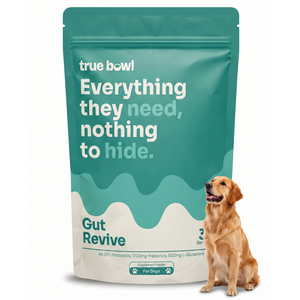
| Ingredient Category | Actives in Gut Revive (per 8g scoop) | Key Digestive Function |
|---|---|---|
| Probiotic Blend | 13 Probiotic Strains (4B CFU) | Re-populates small intestine & colon with beneficial bacteria |
| Prebiotic Fibres | FOS (1,000 mg), GOS (600 mg), Inulin (100 mg) | Nourishes live probiotic strains to sustain long-term colonisation |
| Digestive Enzymes | Amylase (1,000 IU), Lipase (1,000 IU), Protease (1,000 IU) | Breaks down starches, fats, and proteins to ease dietary burden |
| Gut Wall & Stool Support | Pumpkin Powder (800 mg), L-Glutamine (500 mg) | Bulks loose stools via pectin and supports gut lining repair |
| Carminatives | Fennel (80 mg), Ajwain (80 mg), Ginger (40 mg) | Eases abdominal bloat, trapped gas, and monsoon nausea |
To verify the testing and purity behind every batch of our digestive actives, you can view our lab analyses on The Proof.
Daily Dosing Protocol for Monsoon Digestive Care
Gut Revive is formulated as a daily, meal-mixed powder designed to support digestive health before and during high-risk seasons like the monsoon. Mix the daily dose directly into your dog's regular food once per day.
- Under 10 kg: ½ scoop (4 g powder)
- 10–20 kg: 1 scoop (8 g powder)
- 20–30 kg: 2 scoops (16 g powder)
- Over 30 kg: 3 scoops (24 g powder)
Note: If your dog exhibits severe lethargy, blood in their stool, persistent vomiting, or symptoms lasting longer than 48 hours, consult your veterinarian immediately.
FAQ
Why does my dog get loose motion every time it rains?
Rainwater dissolves urban pollutants and redistributes stagnant bacteria across pavements and soil. When dogs walk through wet areas, drink from puddles, or lick damp paws after returning inside, they ingest microscopic pathogens. High humidity also slows digestion and accelerates food spoilage, creating ideal conditions for sudden gut dysbiosis.
Is pumpkin powder safe for dogs with loose motion?
Yes. Pumpkin powder is a rich source of soluble pectin fibre. When introduced into an irritated digestive tract, pectin absorbs excess liquid in the bowel to add structure to loose stools. Unlike home-cooked raw pumpkin, standardised pumpkin powder delivers a consistent, measurable dosage of functional fibre per scoop without adding unnecessary water volume.
How quickly do probiotics work for a dog's upset stomach?
Live probiotic cultures begin interacting with the gut microbiome within hours of ingestion. However, establishing stable bacterial colonies and rebuilding the mucosal lining takes time. For acute monsoon gut stress, daily supplementation over 7 to 14 days typically helps stabilize stool consistency and maintain long-term digestive resilience.