



Monsoon digestive issues in dogs stem primarily from increased exposure to waterborne bacteria, rapid fungal and bacterial proliferation on damp food, and environmental stress. High ambient humidity during the Indian rainy season creates ideal conditions for gut dysbiosis—an intestinal microbiome imbalance where opportunistic microbes outnumber beneficial bacteria. This imbalance leads to frequent loose stools, excessive gas, gurgling stomachs, and mild nausea.
During heavy rains, municipal water lines across Indian cities face runoff contamination, introducing transient bacteria into daily drinking water. At the same time, kibble and home-cooked meals absorb atmospheric moisture, accelerating food spoilage even when stored indoors. Outdoors, dogs walk through damp soil and standing water, frequently licking wet paws afterwards and ingesting lingering bacteria.
Managing seasonal digestive disruptions requires supporting the mechanisms of canine intestinal health. Over 70% of a dog's immune system resides in the gut microbiome. Maintaining a resilient intestinal wall and a balanced bacterial population provides the strongest defense against monsoon-driven digestive stress.
Why Monsoons Trigger Gut Dysbiosis in Indian Dogs
Canine digestion relies on a delicate balance of beneficial micro-organisms that ferment dietary fibre, synthesize essential short-chain fatty acids, and protect the mucosal barrier. High humidity and standing water alter a dog's daily environment in three specific ways:
- Water Source Quality Shifts: Heavy rain increases bacterial loads in tap and groundwater. Even minor shifts in bacterial composition can trigger inflammatory responses in the canine colon.
- Accelerated Food Degradation: Moisture absorption reduces the shelf stability of dry dog food and home diets (such as rice and meat mixtures). Feeding even slightly spoiled food introduces high bacterial counts directly into the stomach.
- Paw-to-Mouth Bacterial Ingestion: Dogs clean their paws by licking after outdoor walks. Paws trap rainwater, mud, and decaying organic matter containing environmental pathogens. If wet paws remain damp, skin fungal issues can also develop—a condition discussed in detail in our guide to Monsoon Paw Fungal Infection in Dogs India: Prevention & Care.
When foreign microbes enter the digestive tract faster than native flora can neutralize them, the intestinal microbiome becomes imbalanced. This leads to impaired nutrient absorption and fluid retention in the bowel, resulting in loose stools.
The Multi-Action Strategy for Intestinal Stability
Addressing monsoon digestive stress effectively requires more than just a single probiotic strain. A comprehensive approach addresses four distinct physiological targets:
1. Multi-Strain Probiotics
Live, beneficial bacteria replenish depleted gut populations. Different strains colonise specific areas: Lactobacillus species primarily inhabit the small intestine, while Bifidobacterium species colonise the large intestine and colon. Using a broad spectrum of strains ensures full-tract coverage.
2. Prebiotic Fibre
Probiotics require specific non-digestible fibres to survive and multiply. Fructooligosaccharides (FOS), galactooligosaccharides (GOS), and chicory root inulin serve as targeted nutrient sources for beneficial flora, helping them establish stable colonies.
3. Digestive Enzymes
Monsoon humidity can reduce natural digestive efficiency. Supplemental digestive enzymes—amylase (for carbohydrates), lipase (for fats), and protease (for proteins)—ensure thorough nutrient breakdown, preventing undigested food from reaching the colon where it can ferment and cause gas.
4. Gut Wall Structural & Carminative Support
L-Glutamine serves as a primary energy source for intestinal epithelial cells, helping maintain tight cell junctions in the gut lining. Soluble pectin from pumpkin powder acts bidirectionally: absorbing excess water to firm loose stools, while adding gentle bulk to ease constipation. Traditional carminatives such as fennel seeds, ajwain seeds, and ginger help manage gas and nausea. Ginger works via 5-HT3 receptor modulation and prokinetic action, supporting normal gastric emptying.
Targeted Formulation: True Bowl Gut Revive
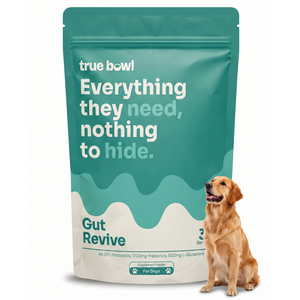
To maintain gut stability throughout the rainy season, True Bowl Gut Revive provides a comprehensive 13-active powder formula. Instead of relying on hidden proprietary blends, every active ingredient is declared at a functional daily dose.
Key Active Ingredients per 8 g Scoop
| Active Ingredient | Quantity per 8 g Scoop | Primary Function |
|---|---|---|
| Probiotic Blend (13 Strains) | 4 Billion CFU | Multi-strain microbiome support |
| FOS (Fructooligosaccharides) | 1,000 mg | Prebiotic fibre for probiotic nourishment |
| Amylase | 1,000 IU | Carbohydrate breakdown enzyme |
| Lipase | 1,000 IU | Fat digestion enzyme |
| Protease | 1,000 IU | Protein breakdown enzyme |
| Pumpkin Powder | 800 mg | Bidirectional stool consistency support |
| GOS (Galactooligosaccharides) | 600 mg | Advanced prebiotic fibre |
| L-Glutamine | 500 mg | Intestinal lining structural support |
| Papaya Powder | 300 mg | Natural digestive enzyme (papain) source |
| Inulin (Chicory Root) | 100 mg | Sustained-release prebiotic |
| Fennel Seeds | 80 mg | Anti-bloating carminative |
| Ajwain Seeds | 80 mg | Traditional digestive carminative |
| Ginger | 40 mg | Nausea support & gastric motility |
Daily Dosing Protocol
Gut Revive is a unflavoured or naturally seasoned powder meant to be mixed directly into your dog's regular meal once daily.
| Dog Weight | Daily Scoop Dose | Total Powder Weight | Probiotic CFU Delivered |
|---|---|---|---|
| Less than 10 kg | ½ scoop | 4 g | 2 Billion CFU |
| 10–20 kg | 1 scoop | 8 g | 4 Billion CFU |
| 20–30 kg | 2 scoops | 16 g | 8 Billion CFU |
| More than 30 kg | 3 scoops | 24 g | 12 Billion CFU |
Practical Steps to Protect Your Dog's Gut This Season
Alongside daily supplementation, simple routine adjustments significantly reduce monsoon digestive risk:
- Filter or Boil Drinking Water: Serve only filtered or cooled boiled water to eliminate waterborne pathogens.
- Store Food in Sealed Containers: Keep kibble and daily supplements in airtight containers with desiccant packs to prevent humidity absorption and mould growth.
- Wipe Paws Immediately After Walks: Thoroughly dry paws and underbellies after outdoor exercise to stop dogs from ingesting damp soil and microbes during grooming.
- Avoid Sudden Diet Changes: High-humidity months are not the time to introduce new foods suddenly. Keep base meals stable while supporting digestion daily.
FAQ
Why does my dog develop loose stools every monsoon season?
Monsoon weather increases environmental bacterial counts, dampness on food, and water contamination. When dogs ingest these excess microbes—either through food, drinking tap water, or licking damp paws—the harmful bacteria disrupt the natural intestinal microbiome, leading to inflammation and loose stools.
Can I give Gut Revive alongside regular home-cooked food like chicken and rice?
Yes. Gut Revive is formulated as an everyday digestive supplement powder that mixes directly into home-cooked diets or kibble. Its combination of digestive enzymes (amylase, lipase, protease) helps break down proteins and home starches, while prebiotics and carminatives support smooth digestion.
How are the probiotics in Gut Revive protected against ambient humidity?
Gut Revive uses stable spore-forming and micro-encapsulated strains (such as Bacillus coagulans and Bacillus subtilis) alongside traditional lactic acid bacteria. To maintain maximum viability, keep the tub sealed tightly in a cool, dry place away from direct steam or rainwater.